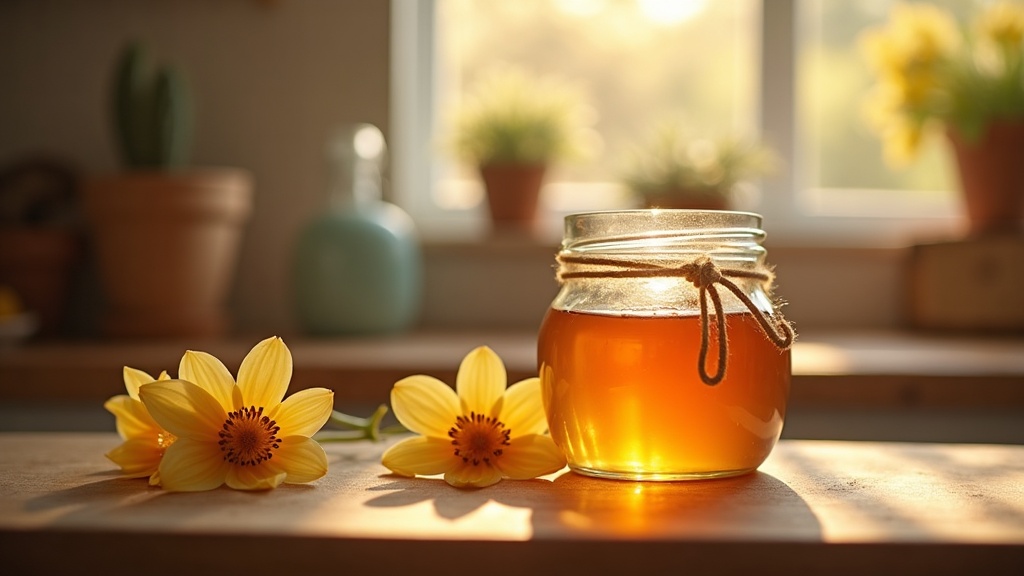
Before the house gets loud, before the phone starts buzzing — a small wooden spoon of honey stirred into something warm, and a few borrowed minutes from an old Scandinavian morning. Here’s what that daily pause is actually about, and why so many people over 50 are quietly bringing it back.
Nothing dramatic happens overnight. It’s smaller than that — a name that takes a beat longer, a thought that slips before you finish the sentence. Here’s what tends to be going on underneath, one everyday factor at a time.
Shorter days mean less natural light exposure, and for many people that quietly affects alertness and mental sharpness well before the first cup of coffee.
Circadian rhythm naturally shifts with age. Mornings can feel foggier, afternoons can feel like a wall — and it has more to do with timing than with 'losing it.'
Deeper sleep stages shorten over the decades. Waking up feeling half-charged, even after eight hours, is a common and normal part of this stage of life.
Busy routines push out the slow, small habits — the warm drink, the honey stirred in, the five still minutes — that many older traditions built entire mornings around.
A lot of what gets repeated about aging and memory isn’t quite accurate. Here’s a plain-spoken look at three common myths, side by side with what’s actually understood.
Memory decline after 50 is inevitable and completely out of your hands.
Daily rhythm, rest quality, and small consistent habits are widely recognized as playing a role in how sharp the mind feels day to day.
Forgetting where you put your keys means something is seriously wrong.
Occasional lapses like this are a normal, common experience and are frequently linked to distraction or fatigue rather than anything more serious.
Only a pill or a supplement can support a cognitive routine.
Simple daily rituals — morning light, a warm drink, honey stirred into tea, a consistent wind-down — have long been part of traditional wellness routines around the world.
This isn’t a strict regimen. It’s a loose, repeatable rhythm borrowed from Nordic winter households, built around three small anchors instead of one big overhaul.
Before screens, before to-do lists — a few minutes near a window or outdoors, even in the cold. Nordic households have long treated early light as the first anchor of the day, not an afterthought.
A warm cup, honey stirred in slowly, taken sitting down instead of on the move. It’s less about the drink itself and more about the stillness built around it.
Long winter evenings encourage an earlier, calmer wind-down — dimmer light, quieter tasks, and a consistent bedtime that gives sleep a real chance to reset.
Long before wellness routines had names, households across Scandinavia built their winters around slow mornings and warm honeyed drinks — not as medicine, but as a way to get through months of short days and long dark. Honey was kept in the pantry as a staple, stirred into tea or warm water as part of the daily rhythm rather than a special occasion. Researchers who study seasonal routines in northern climates have long pointed to this same pattern: light exposure, warmth, and small repeated rituals clustered around the start and end of each day. None of it was framed as a fix. It was simply how the day was structured.
The real insight isn’t the honey itself — it’s the handful of quiet, repeated minutes people built around it, morning after morning, all winter long.
Finding it harder to follow where a conversation was headed, especially in noisy or busy settings.
A common, everyday moment — but one that seems to happen more often as routines get rushed.
Names in particular seem to slip faster than other kinds of information for a lot of people over 50.
A dip in alertness after lunch or mid-afternoon, often tied to sleep quality and light exposure earlier in the day.
Needing a second pass to absorb something you'd normally read once, especially later in the evening.
Keys, glasses, phones — small items that seem to wander more than they used to.
These are individual experiences shared for illustrative purposes only. Results and experiences vary from person to person, and these testimonials are not a guarantee of any particular outcome.
No. This is an educational look at a traditional daily routine. It is not intended to diagnose, treat, cure, or prevent any condition, and it isn’t a substitute for professional medical advice.
Shorter days and colder months naturally shift light exposure and sleep patterns, which is why many Nordic households built their daily rhythms around this particular season.
The routine is meant to be flexible. Many people start with just one step, like the morning light pause, and build from there at their own pace.
Honey has traditionally been part of this warm morning ritual in many Nordic households, but the core idea is the consistent pause itself, not any single ingredient.
It’s discussed here in the context of people 50 and older, though the underlying habits — light, warmth, consistent rest — are relevant at many stages of life.
Yes. Any changes to diet, sleep, or daily habits are worth discussing with a healthcare professional, especially if you have existing health concerns.
The full walkthrough is covered in the video linked on this page, which goes through each step of the ritual in more detail.
Watch the complete walkthrough of the three-step ritual — the morning light, the warm honey pause, and the evening wind-down — explained in full detail.
Advertising Disclosure: This page is sponsored content and may contain affiliate links. We may receive compensation if you click a link or make a purchase through the links provided on this page. This helps support the content at no additional cost to you.
Content Disclaimer: This content is for educational and informational purposes only. Statements on this page have not been evaluated by the FDA. Nothing on this page is intended to diagnose, treat, cure, or prevent any disease or condition. Always consult a qualified healthcare professional before making changes to your health, diet, or daily routine.
Results Disclaimer: Individual results and experiences vary from person to person. Testimonials shared on this page reflect personal experiences and are not a guarantee of any particular outcome for any other individual.
© 2026 · All Rights Reserved · /contact/